


Maximizing Pro Shop Revenue: The High-Margin Potential of Co-Branded Putter Protectors
Why a Blade Putter Cover Earns More Than a Driver Headcover
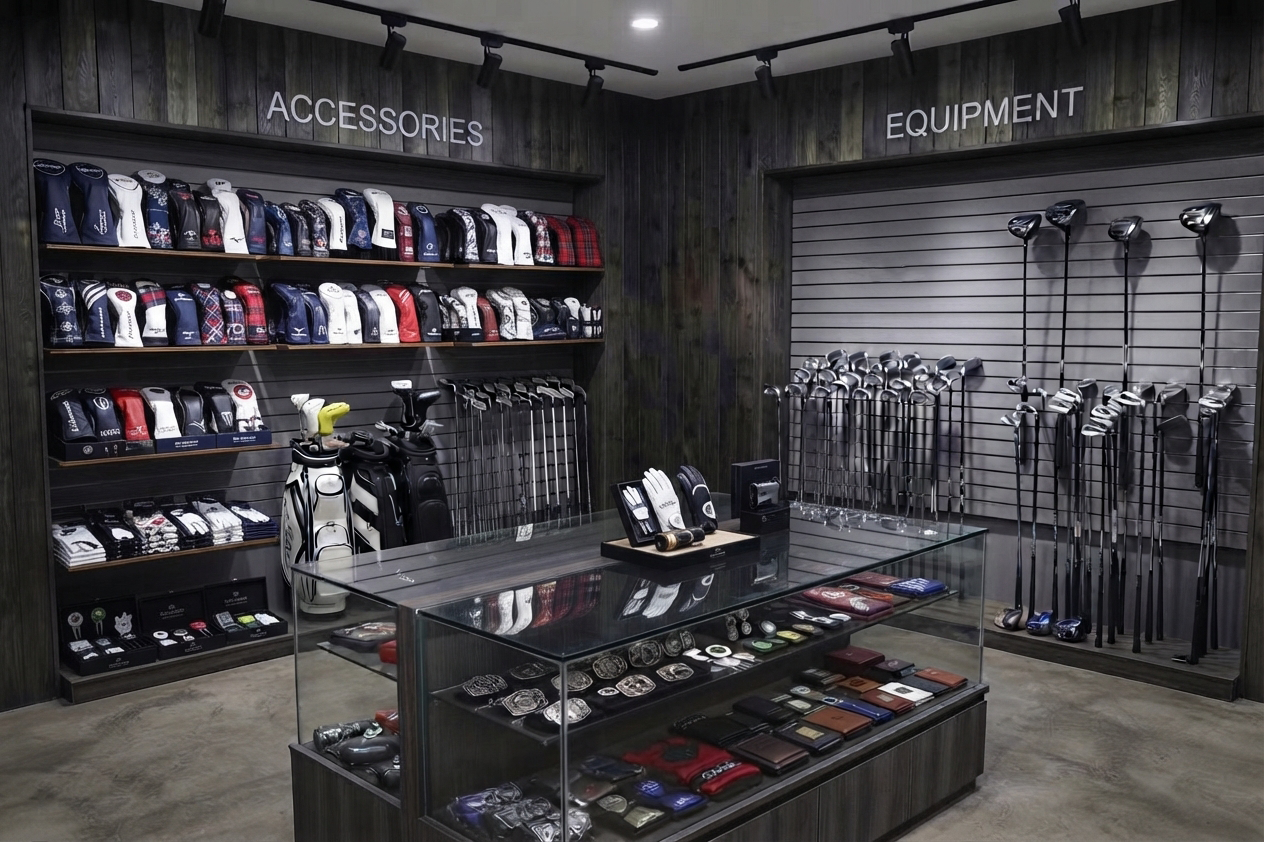
A pro shop does not earn at the same rate across every category on the wall, and the spread is wide enough to plan around. The Association of Golf Merchandisers' long-standing markup guidance places golf equipment at 20–30% and apparel at 52% or higher. A co-branded putter protector does not behave like equipment. It behaves like a soft good: bought as a gift, displayed as a brand statement, and priced against what it looks like rather than against a specification sheet.
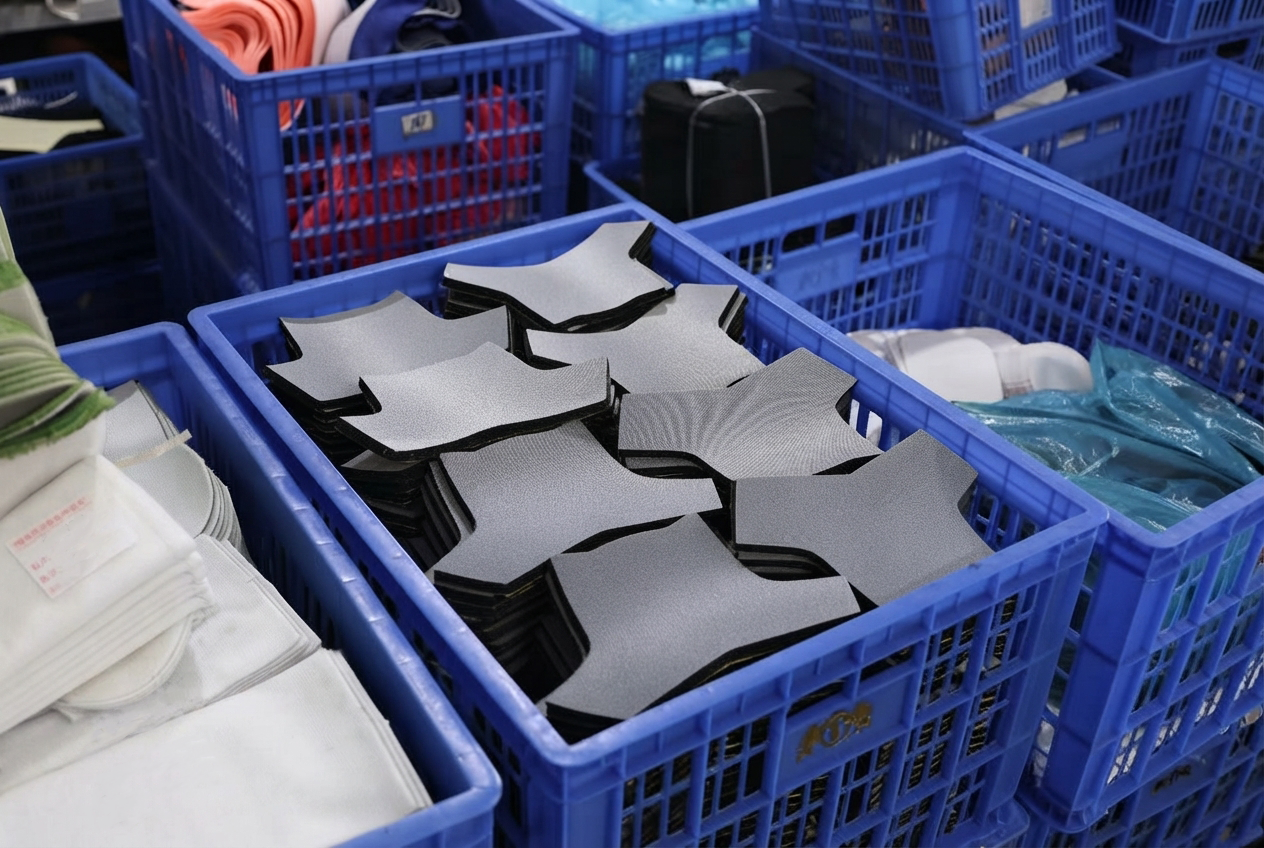
Within the cover family, the putter version is also the cheapest to build. A blade putter cover consumes the smallest pattern area of anything in the bag, so a given roll of material yields more finished pieces and less cutting waste. Panel count is low, the closure is a single component, and sewing time is short. A mallet putter cover adds footprint but keeps the same simple construction. An iron headcover is smaller again, though it also has less presence on a display wall — a merchandising problem rather than a costing one.
What "Co-Branded" Actually Means on a Golf Headcover
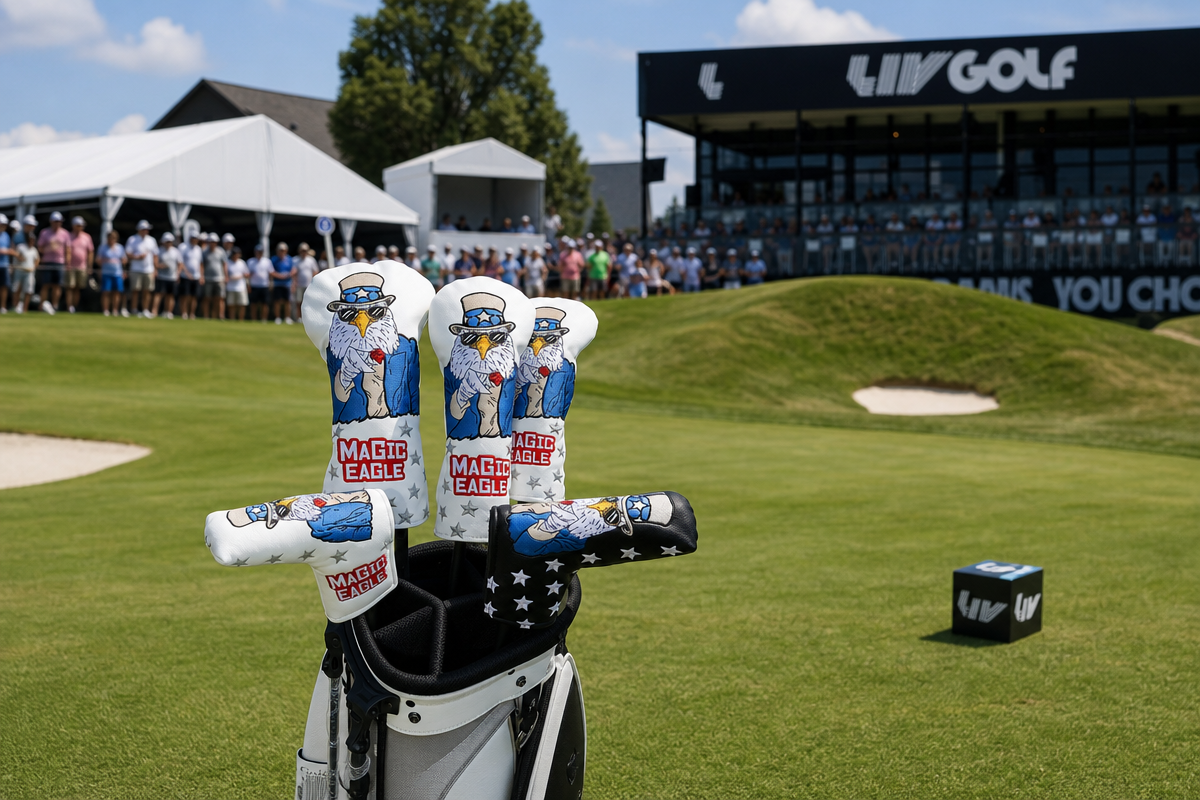
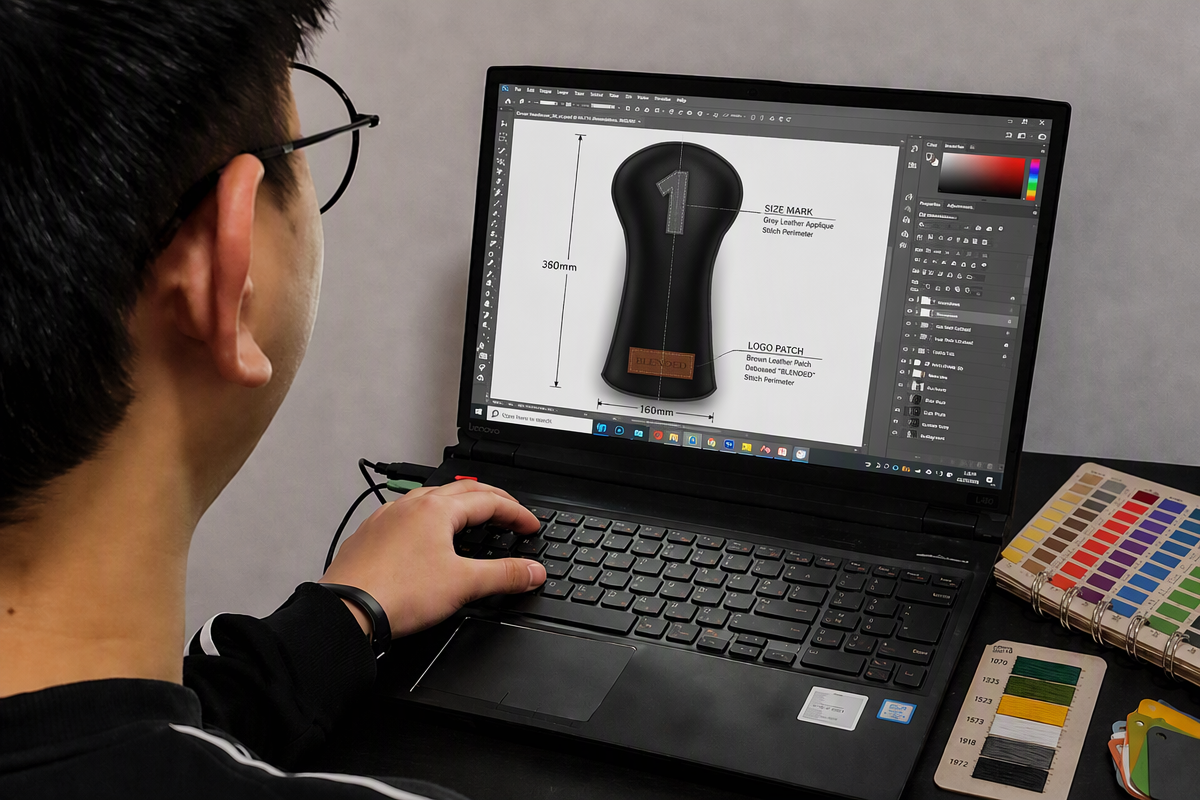
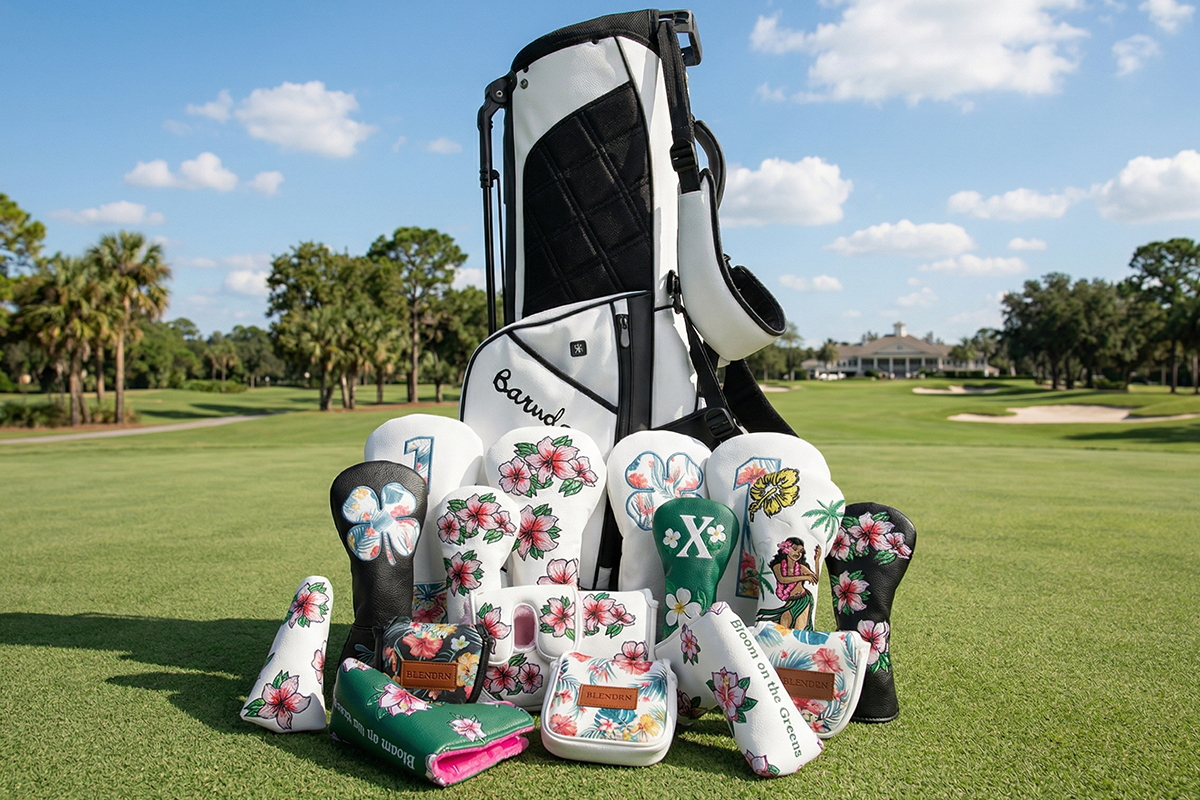
Co-branding puts two identities on one product: the club's or retailer's own mark, and the mark of an equipment brand, a tour event, or a partner organisation. The manufacturing question is not whether two marks can be applied, but whether the panel can carry both without either looking like an afterthought. On co-branded golf headcovers, the usual answer is hierarchy: one mark holds the primary position near the closure, the second runs smaller along the lower edge or across the neck, and neither competes with the seam lines. Which mark leads is the buyer's commercial decision, made before the artwork is drawn — the licensing arrangement sits with the buyer, while the factory holds the layout, the technique, and the reorder consistency.
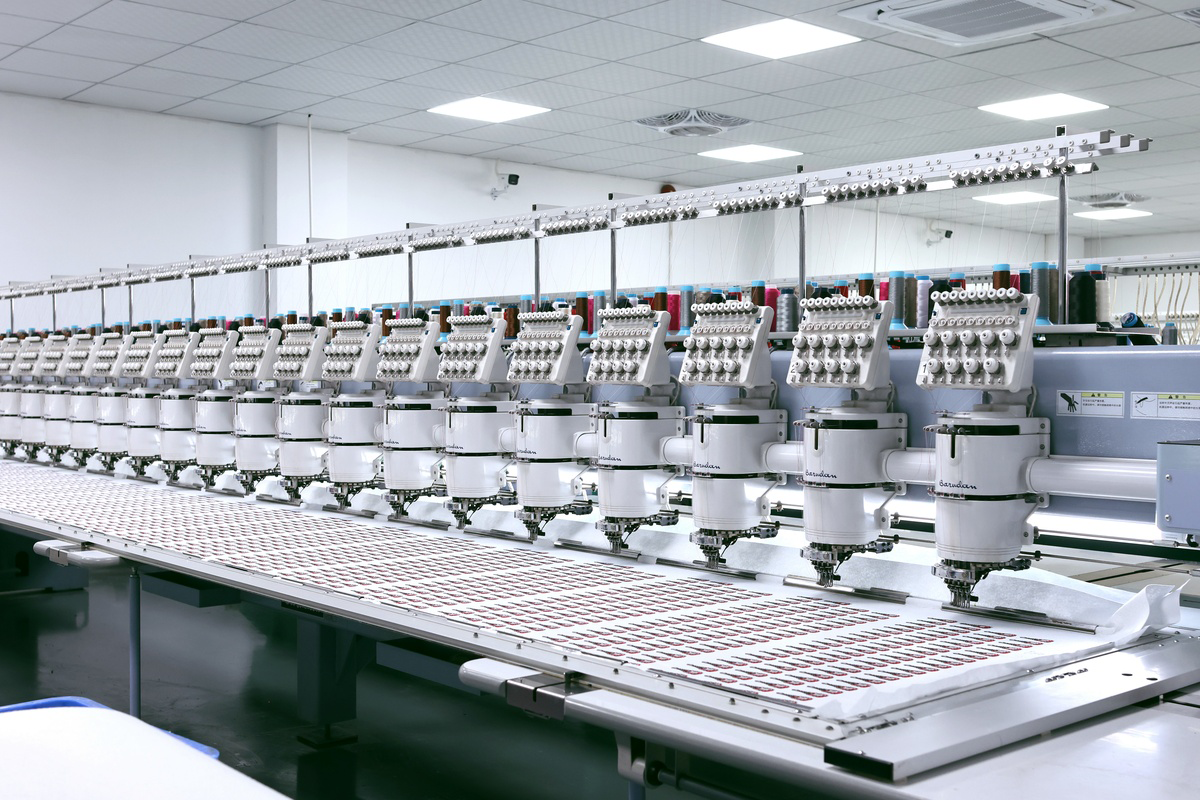
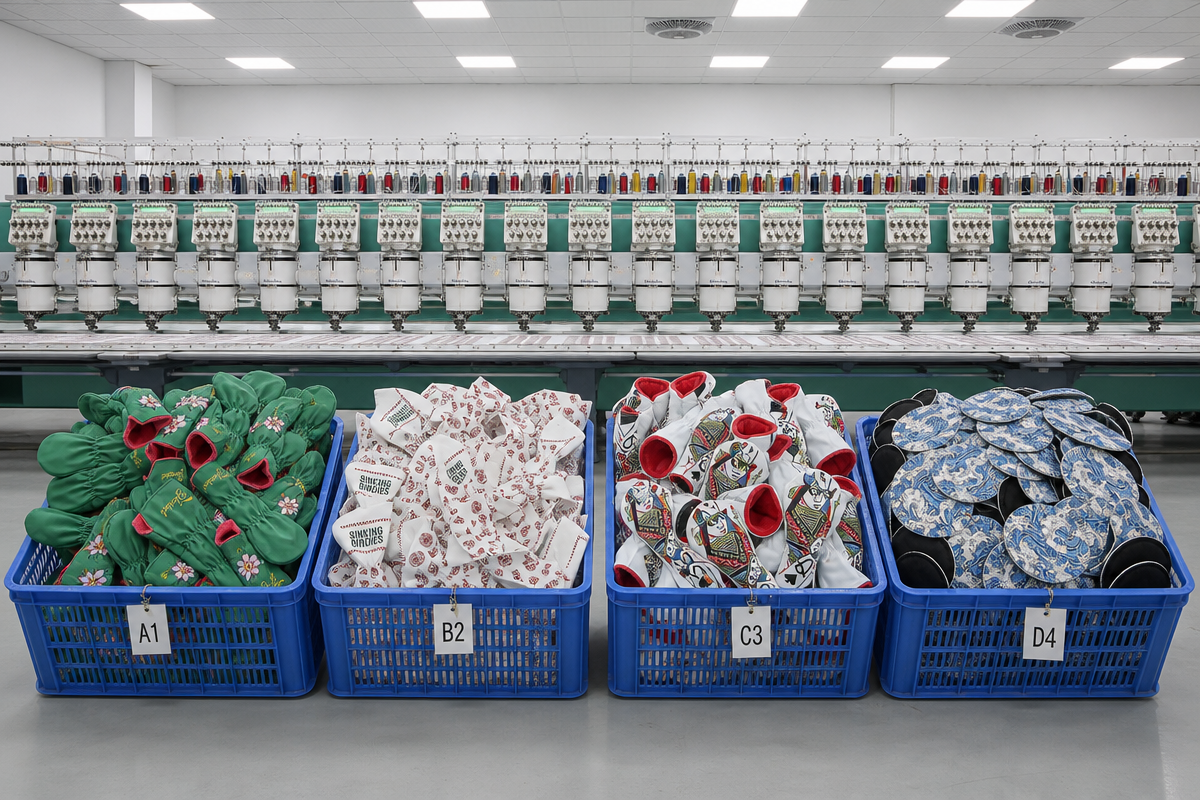
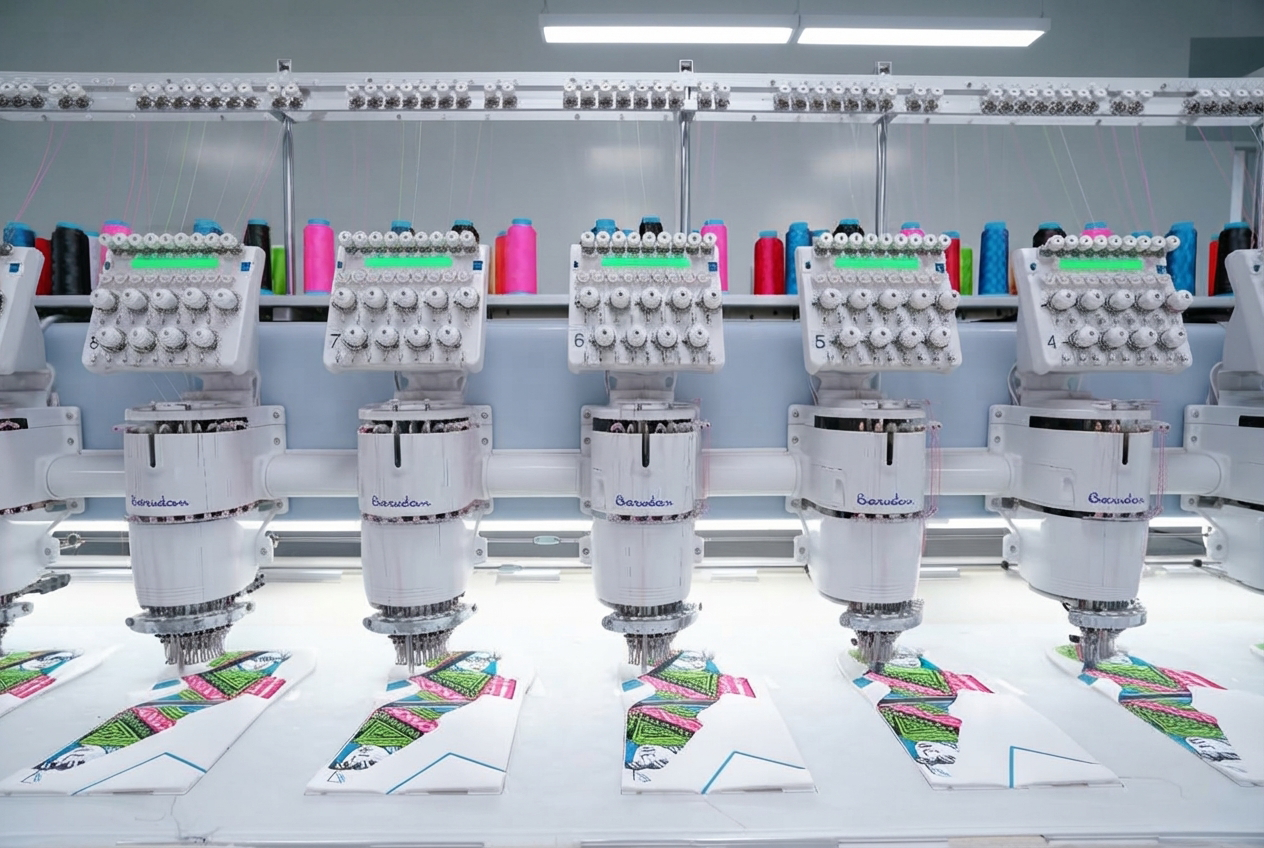
The branding technique then follows that hierarchy. A debossed mark sits inside the material and stays quiet, which suits a second identity that is meant to read as a detail. Embroidery rises off the surface and carries colour, which suits a mark that has to sell from a pegboard. Both are permanent and both are retained as tooling — on embroidered golf headcovers the stitch file is kept, on a debossed version the die. The practical consequence on leather golf headcovers is that artwork should be approved style by style, because a mark that sits perfectly on one panel geometry can land off-centre on another.
The Cost Drivers You Control Before the Die Is Cut
Unit cost on a putter cover is decided by five things, and four are the buyer's choice. Tooling comes first: a debossing die or a digitized stitch file is cut once to your artwork and retained, so it is a first-order cost that disappears on the reorder. Material is second, and it is where a PU leather putter cover separates itself from the rest of the range, because the panel area is small and the yield is correspondingly high. Closure is third — a magnetic closure adds a component and a little assembly time, and it is the detail a customer notices at the till. Lining and panel construction are fourth. Packaging is fifth, and the one most often left until the last minute.
The same logic runs down the bag. A hybrid headcover and a fairway wood headcover carry more panel area than a putter cover, so their unit cost is higher even when the branding technique, the material, and the closure are identical. JT Golf quotes against a locked specification: MOQ 100 pieces per design, sampling in 5–7 days, bulk production in 25–30 days after sample approval, and DDP delivery for US and EU programmes.
Running the Numbers Before You Commit to an MOQ
The arithmetic a buyer should run before signing has three lines, and the first is the trap. Line one is the first-order unit cost, which carries the tooling. Line two is the reorder unit cost, which does not. A program planned as a one-off carries the whole tooling load in the first order, so its apparent margin is worse than it will ever be again; a seasonal repeat amortises that cost across every later run, and the reorder is where the money sits. Line three is the sell-through risk, and it decides whether the other two matter. A pallet of unsold covers at 52% markup still loses money, which is why 100 pieces across four designs usually beats 400 pieces of one.
According to the 2024 Annual Member Survey released by the American Golf Merchandise Association, the average total merchandise sales for surveyed golf shops were approximately $1.6 million, with an average profit margin of nearly 37 percent and merchandise sales of about $37 per round of golf. A cover program will not move those figures on its own — but it is not competing for the same buying attention or floor position as equipment, and that is why its markup can sit higher.
Before you commit, ask the golf headcover manufacturer for the first-order price and the reorder price as two separate figures — the fastest way to see which of the two you are actually buying.
Presentation, Gifting, and the Second Sale
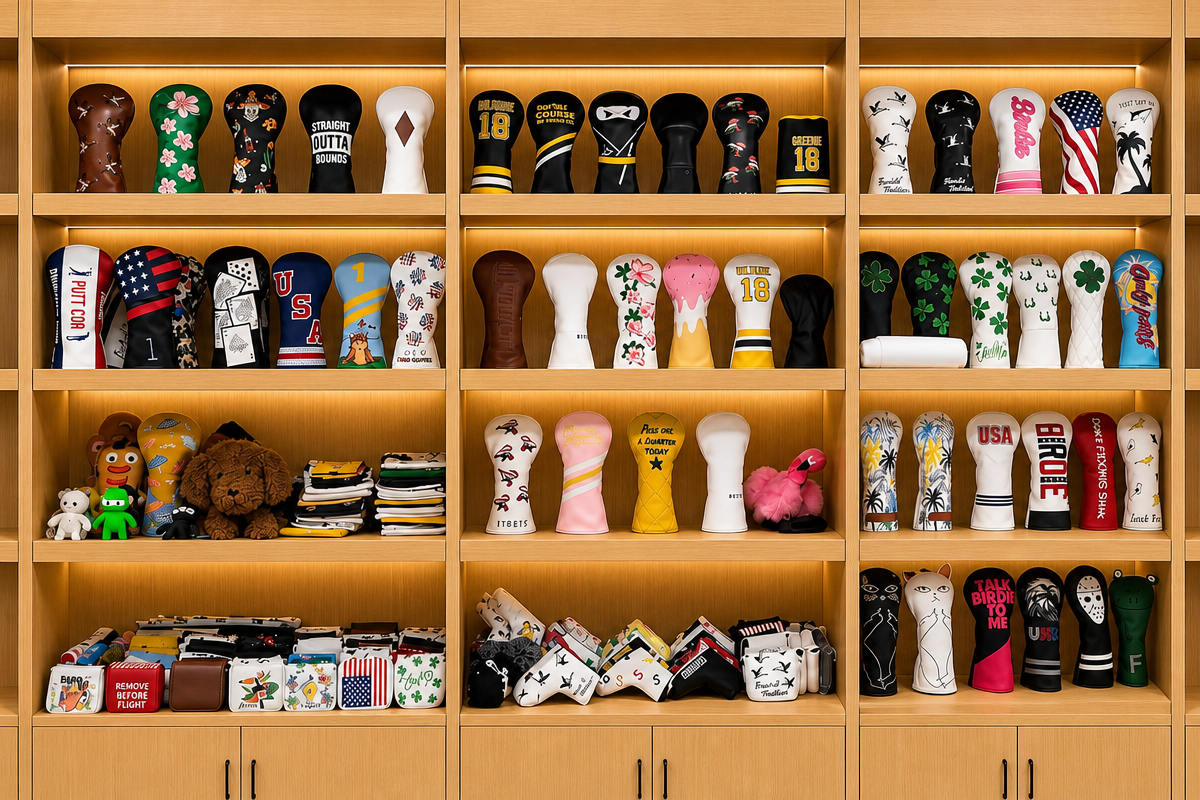
Roughly 60% of golf shops still do not sell online, and where they do, online accounts for only a small share of total sales. That places unusual weight on the display wall and on the gift occasion. A custom golf headcovers program that arrives in a plain poly bag asks the shop to do the packaging work; one that arrives retail-ready with a header card or a box can go straight onto a peg. That is worth deciding at the sampling stage, not after the bulk order lands.
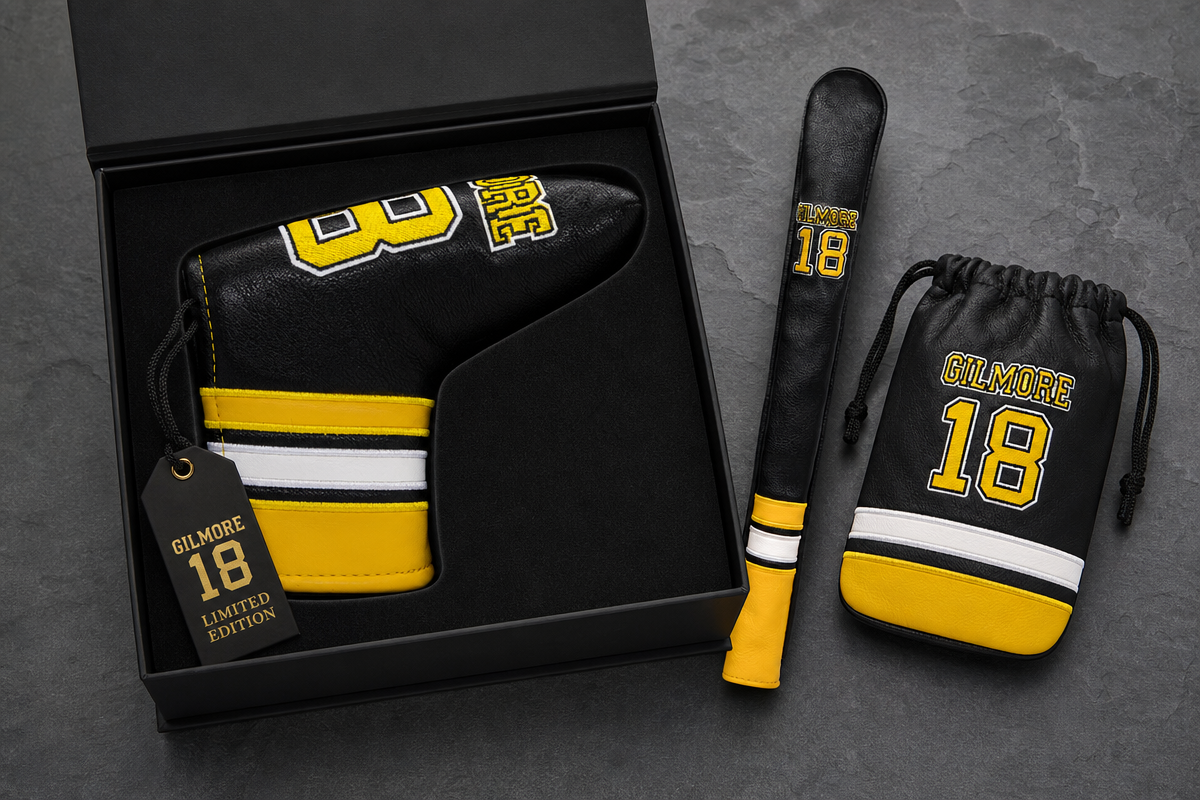
The second sale is where a cover program earns its keep. A putter cover is rarely bought alone — it is bought alongside a matching alignment stick cover, with a valuables pouch, or as a gift pair within a matching set of tour-style headcovers. Each of those items can carry the same mark from the same tooling budget, provided they are planned together instead of ordered one at a time. A buyer who commissions the whole accessory family in a single sample round gets one approval cycle instead of four.
Conclusion: Where the Margin Really Comes From
The margin on a co-branded program is rarely won on unit price. It is won on which cover you lead with, how the two marks are laid out, whether tooling is treated as a first-order cost or a permanent asset, and whether the packaging lets the shop sell without touching it. Those decisions are made before the first quote — and they determine whether the tenth run matches the first.
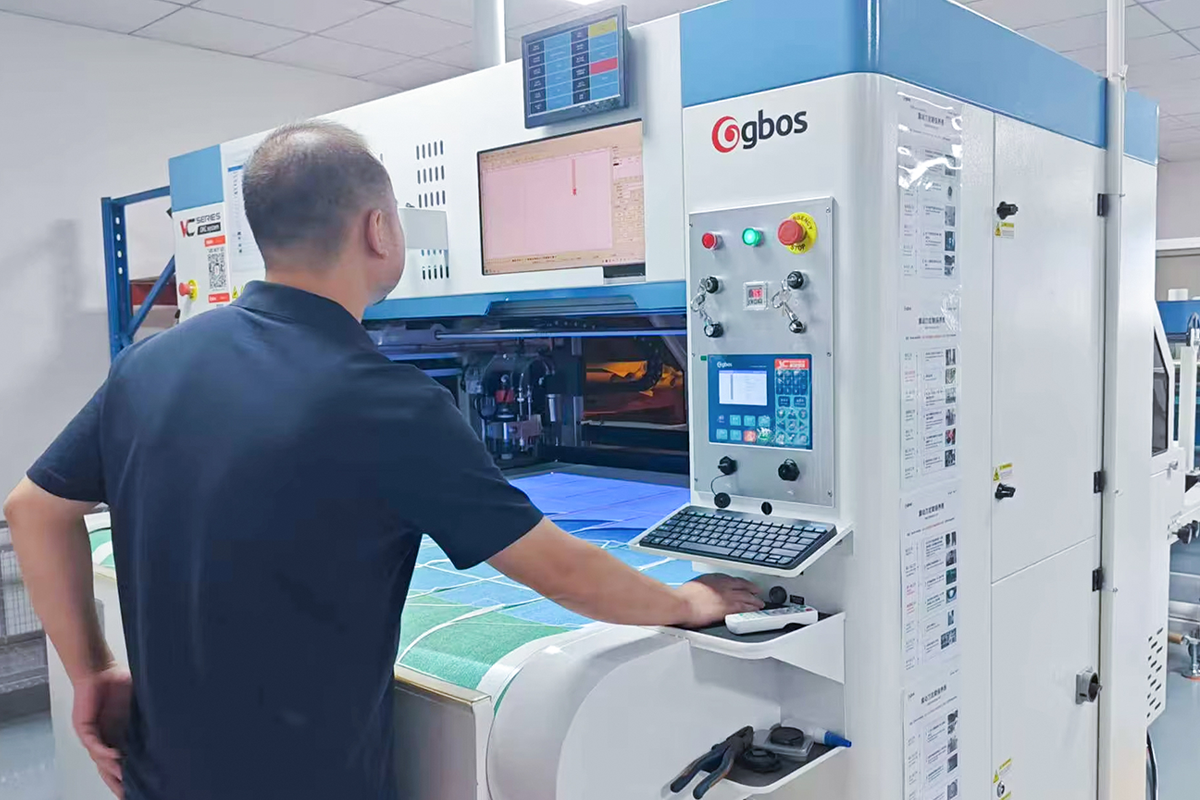
JT Golf manufactures OEM golf headcovers in PU leather at our Dongguan facility, with 14 Japanese Barudan high-density embroidery machines, artwork approved against a golden sample, inline inspection, and 100% final inspection before shipment. Our standard terms are MOQ 100 pieces per design, sampling in 5–7 days, bulk production in 25–30 days after sample approval, and DDP delivery for US and EU programmes. If you are building a program for a pro shop, a resort, or a tour event, send the two marks and the target retail price together, and ask the custom golf headcover manufacturer behind the program to quote first order and reorder side by side — so the margin question is answered before the artwork is drawn.